
Termite as well
Flying termites are one of three castes in a termite colony. Here’s what happened when they showed up at Bamboo Rustles the other day.
Natasha Rego
10/7/20251 min read
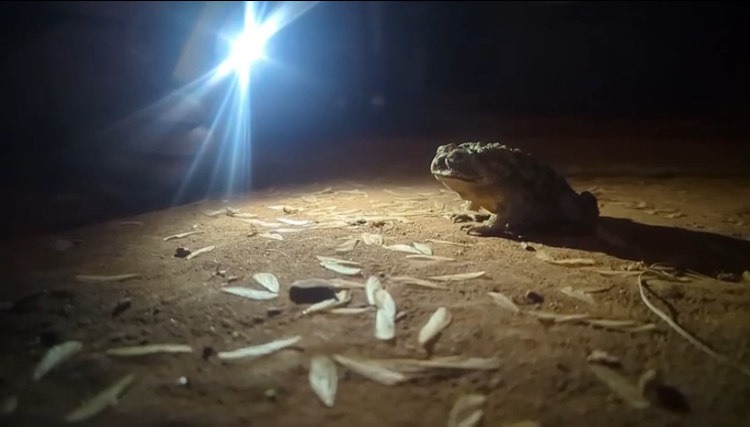
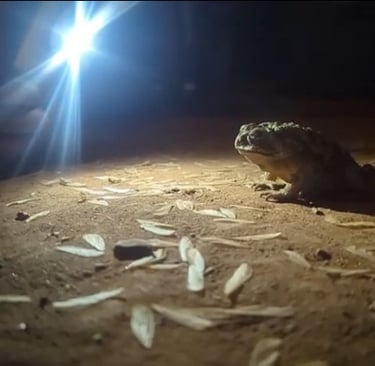
A randy group of flying termites stopped by our dining room one night. They were on a mission—to find a suitable place to mate, shed their wings and set up a new colony.
Winged termites are the reproductive caste of termites. They emerge from their previous colony when the conditions are right. It had rained at Bamboo Rustles just a few days earlier. The air was just the right amount of moist for these boys and girls.
They swarm around, pair up and lose their wings. In their new colonies, they will be king and queen. It’s not the plush job that it sounds like—the queen lays hundreds of eggs in a day to maintain a healthy, well-populated colony.
The eggs hatch into nymphs, and the nymphs morph into one of three castes—worker, warrior, or the winged reproductive caste that we saw in our dining room.
The workers and warriors are wingless, sterile, and you might recognise them as the “white ants” eating up your precious woodwork. Fun fact, termites are more social cockroaches than they are ants.
So the winged termites in our dining room shed their wings and got busy with their nuptials.
It didn’t take long for hungry mouths to appear. Toads, geckos and bats feasted on them until all the evidence left of their visit was their wings.
Hopefully some got away. It will be up to them to build a new colony that will help breakdown fallen trees and other detritus in the ecosystem.
So the next time you see flying termites swarming at a light source, take a moment to appreciate their journey in life’s tremendous cycle.
Bamboo pit viper foundation, Bamboo pit viper center (sister organisation) started with a goal to hold wildlife workshops in 2012 and has held many birding, herpetology and butterfly workshops over last 12 years. In 2024 we setup BPVRC - Bamboo Pit Viper Research Centre as a company. BPVRC serves as a research centre where researchers and interns can and interns immerse themselves in studying various species.
Home
© 2025. All rights reserved.
Links
Internship
Social Link
Join our newsletter to get updates on workshops and upcoming events.
